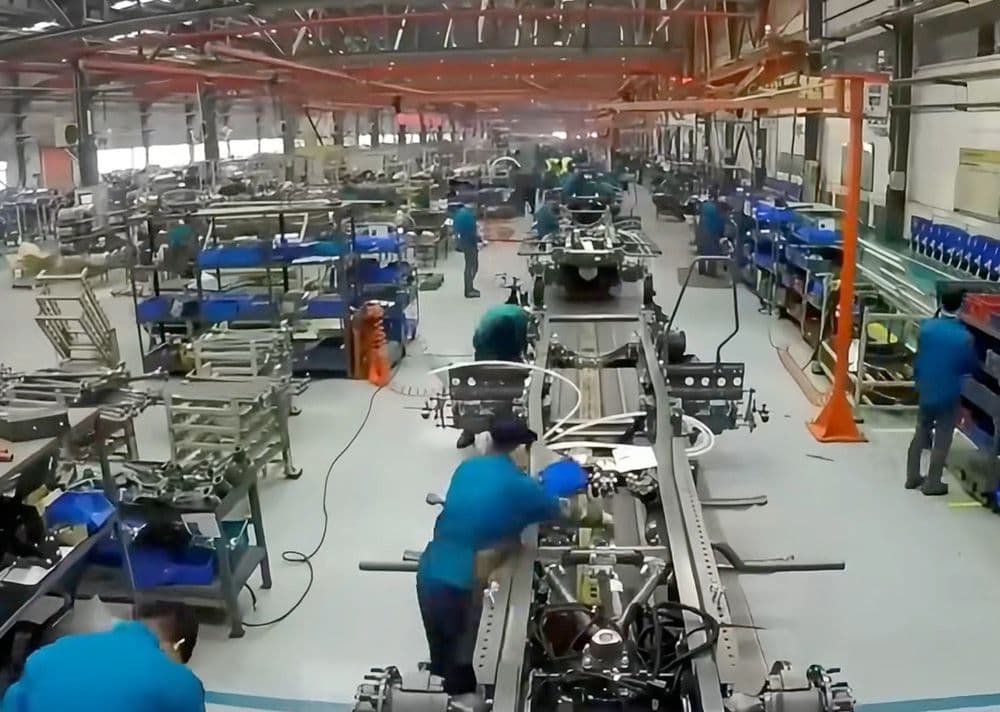
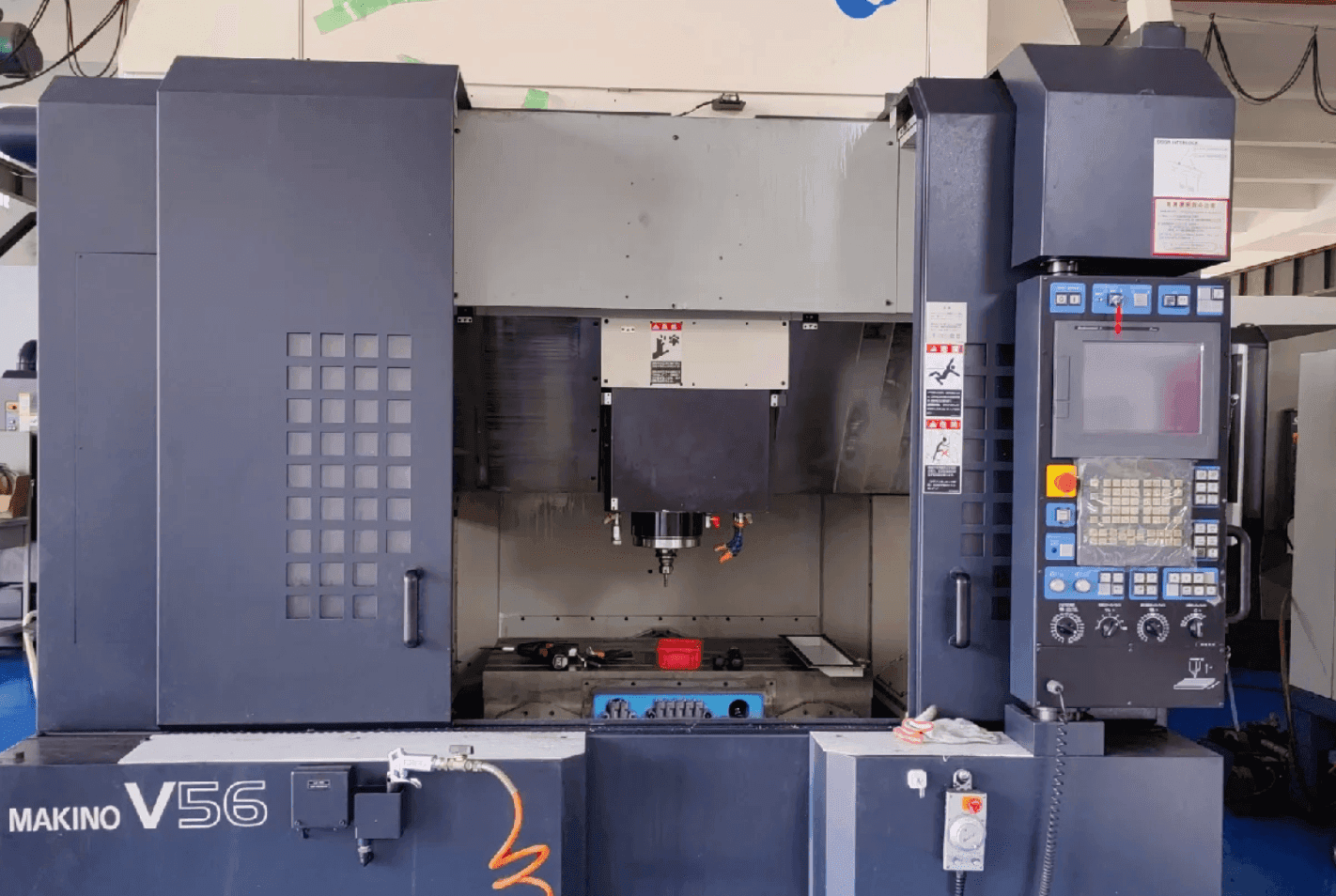
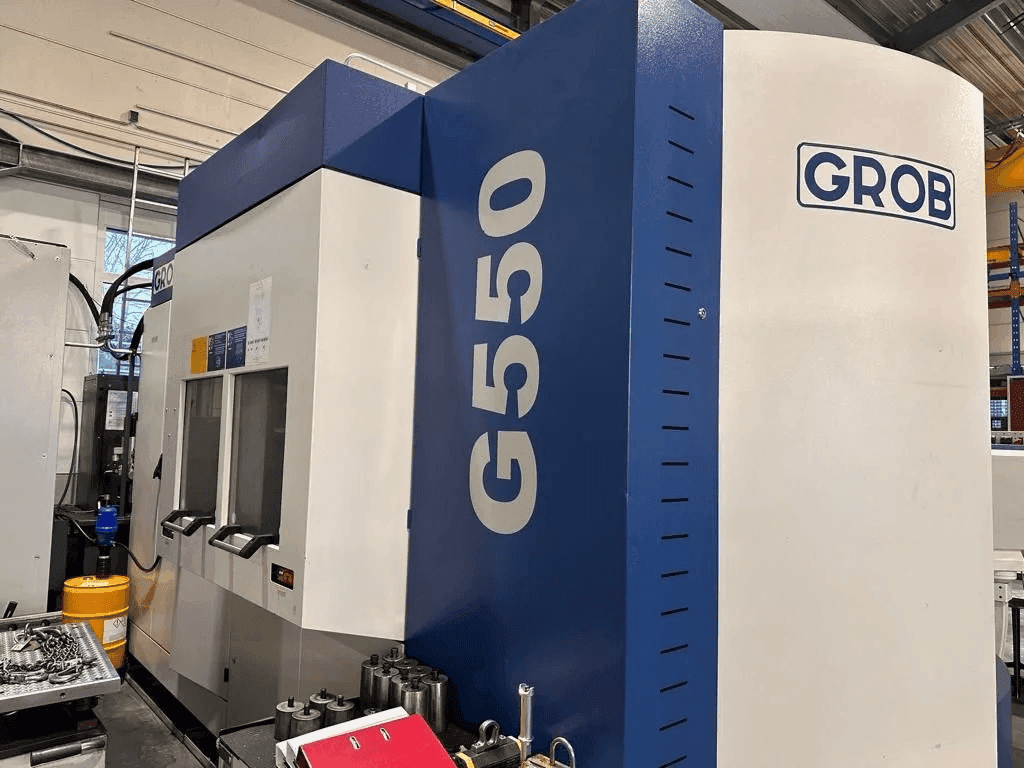
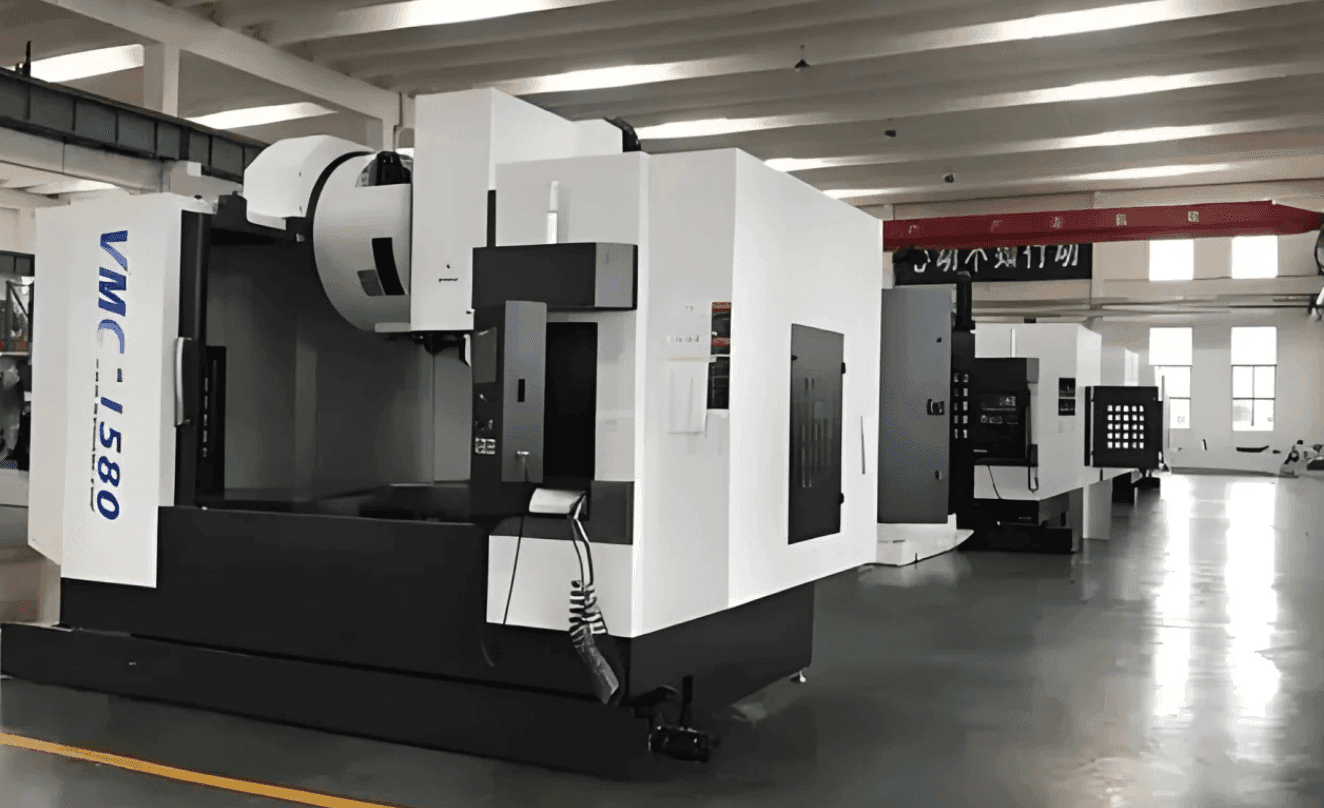
Xinling Intelligent is a high-tech enterprise based in Shandong that specializes in precision machining. With over 16 years of experience in manufacturing commercial vehicle components, the company holds IATF 16949 automotive quality management system certification and is a Gold Supplier to Shandong Heavy Duty Truck Group. It has long supplied the group with core precision components such as gear shafts, drive shafts, cylinder block and cylinder head parts, transmission gears, differential housings, and steering knuckle kingpins.The company is equipped with over 60 units of high-precision machinery, including CNC machining centers, five-axis machines, and gantry robots. Among these, three-axis CNC machining centers handle standard processes such as milling and drilling, while five-axis CNC machining centers are specifically designed for machining complex surfaces and high-precision components (such as special-shaped gear shafts for transmission systems and steering knuckles with complex surfaces). This not only enhances machining precision but also significantly shortens production cycles.We have established intelligent production workshops and a comprehensive quality inspection system, offering one-stop service capabilities ranging from product design and process optimization to mass production.
Shandong Heavy Duty Truck Group is a leading domestic manufacturer in the research, development, production, and sales of heavy-duty trucks,construction machinery, and buses, its truck products are widely used in logistics, mining operations, and construction projects. The company imposes stringent requirements on component precision tolerances, structural strength, and wear resistance—particularly for parts in core components such as engines, transmissions, and axles, which directly impact the vehicle’s safety and service life. Consequently, it maintains extremely high selection standards for suppliers regarding machining technology, quality control, and delivery capabilities.
Most parts for Sinotruk trucks are high-strength load-bearing components made from high-strength alloy materials such as 40Cr and 20CrMnTi. These materials are characterized by high hardness and strong toughness, which can lead to issues such as tool wear, thermal deformation, and machine vibration during CNC machining, resulting in fluctuations in precision. For example, when machining the tooth surfaces of transmission gears, tool wear can cause tooth profile errors, while thermal deformation can affect pitch accuracy;Differential housings feature thin-walled, complex structures that are prone to deformation during machining. The difficulty in designing fixtures makes it challenging to ensure consistency in the positional accuracy of hole patterns; during initial trial production, the pass rate was only 92%, far below requirements. Additionally, micron-level tolerance requirements pose significant challenges for equipment precision and the control of cutting parameters.
Sinotruk’s vehicle assembly schedule is tight, and component delivery cycles are strict. However, the machining processes for these three core components are complex (e.g., transmission gears require multiple steps such as rough turning, finish turning, gear hobbing, gear grinding, and heat treatment). Traditional CNC machining relies on a single-machine, single-operator model, resulting in frequent line changes, prolonged downtime, and low production scheduling efficiency, making it difficult to meet monthly batch production demands.Furthermore, when order volumes fluctuate significantly, production schedules are difficult to adjust quickly, increasing the risk of delivery delays. At the same time, the high level of manual intervention in traditional machining processes also affects the stability of production efficiency.
Shandong Heavy Duty Truck has strict traceability requirements for parts quality, necessitating full-process traceability from raw material intake to product shipment. However, the case company initially lacked a digital management system; production and inspection data were mostly recorded on paper, making them prone to loss and errors, and making precise traceability difficult to achieve.Furthermore, in mass production, factors such as equipment condition and variations in material batches can easily lead to quality fluctuations. Traditional spot-checking methods struggle to detect potential defects in a timely manner, increasing the risk of producing batches of non-conforming products, which in turn raises production costs and delivery risks. Additionally, the process stability of stages such as heat treatment and surface treatment directly impacts the consistency of product quality.
The machining of high-strength alloy materials places high demands on cutting tools. Traditional tools wear out quickly and require frequent replacement, with tooling costs accounting for over 25% of total machining costs. Furthermore, the machining process consumes large volumes of coolant, which not only increases consumable costs but also creates environmental compliance pressures.Furthermore, insufficient initial process optimization has led to issues such as idle cutting and low material utilization, further increasing the unit processing cost and making it difficult to meet both parties’ cost control targets. At the same time, technological upgrades and talent shortages have added to cost pressures; the widespread adoption of five-axis machining and intelligent technologies requires a large number of skilled professionals, entailing long training cycles and high investment costs.