Advantages of CNC milling machines
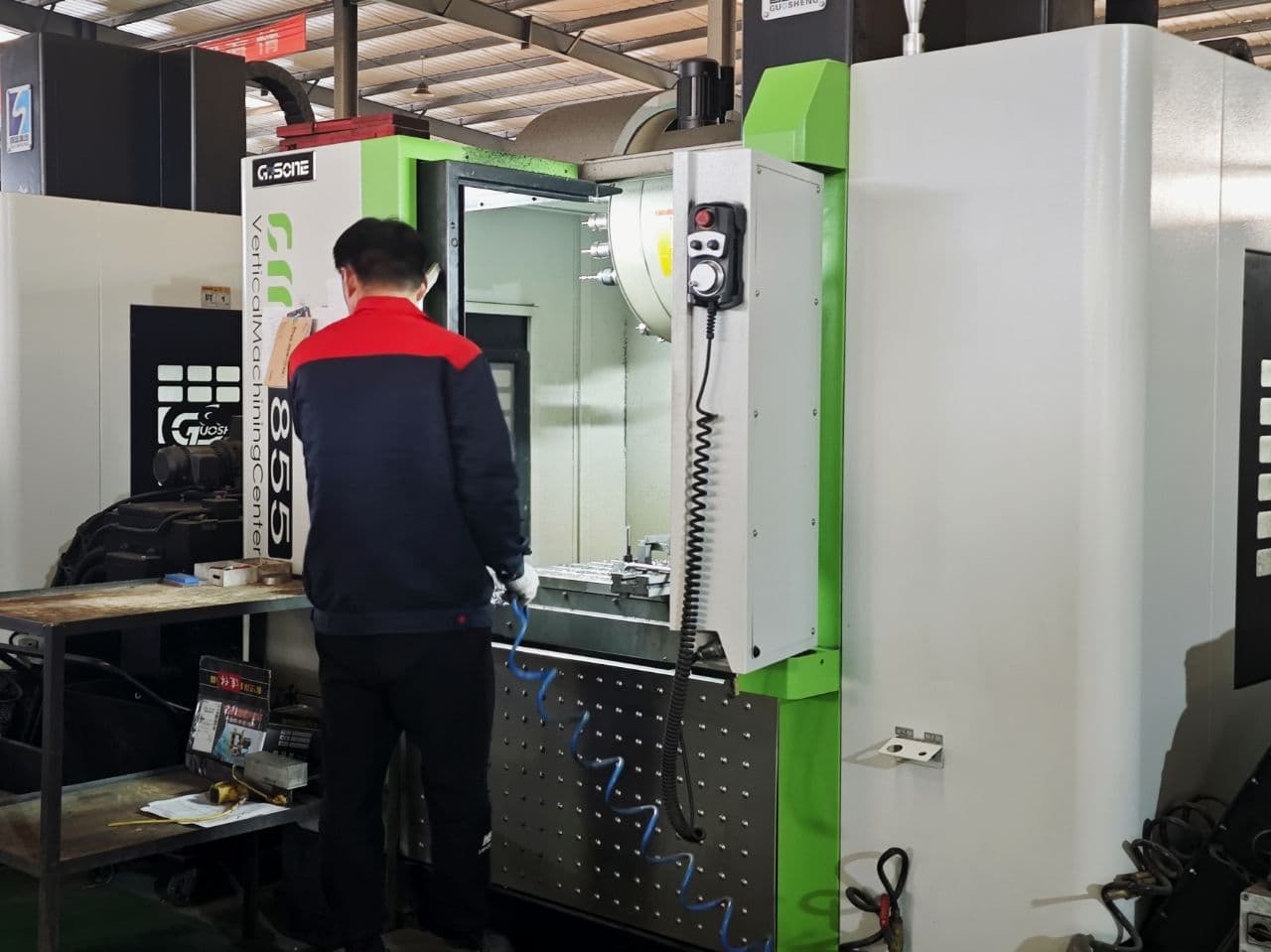
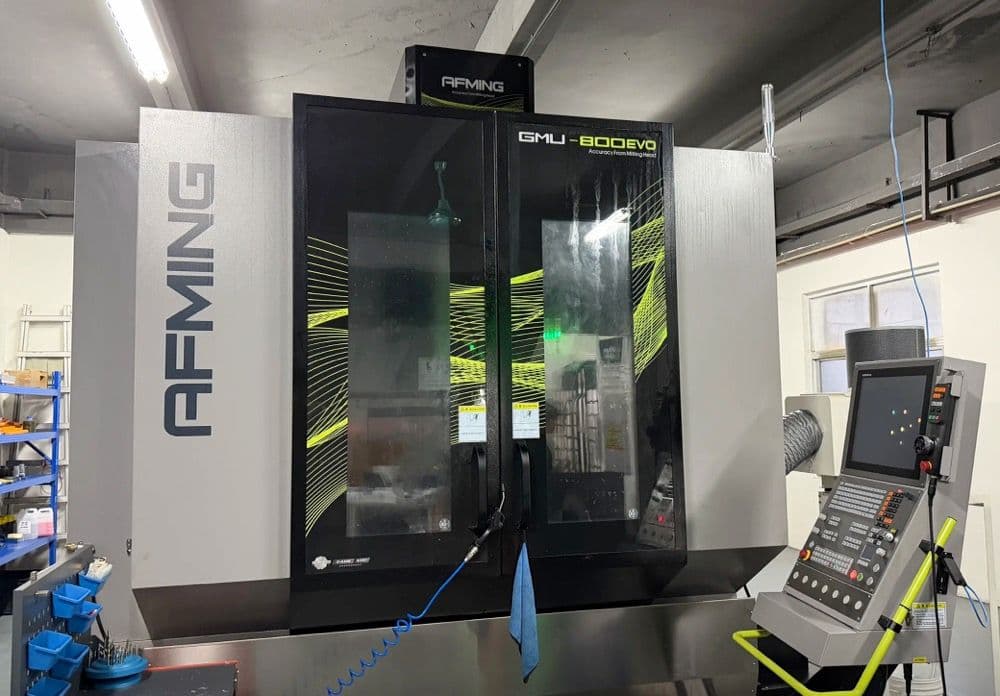
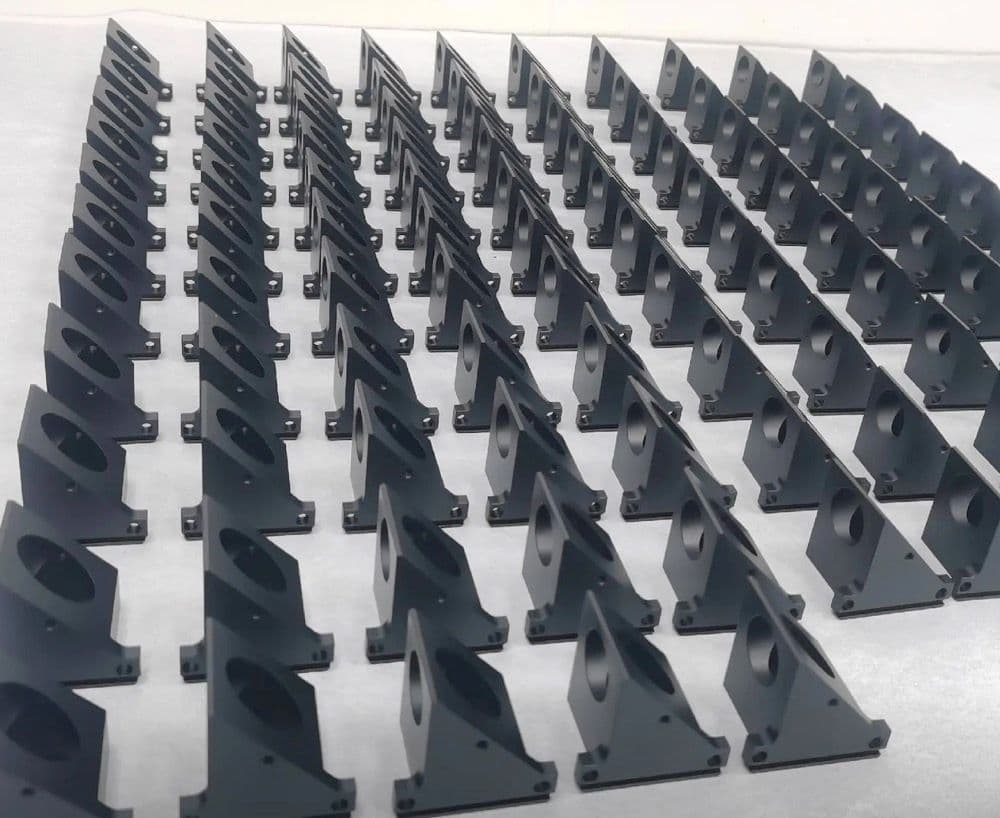
High precision machining: dimensional accuracy up to ±0.01~±0.05mm, ensuring consistency and precision of parts.
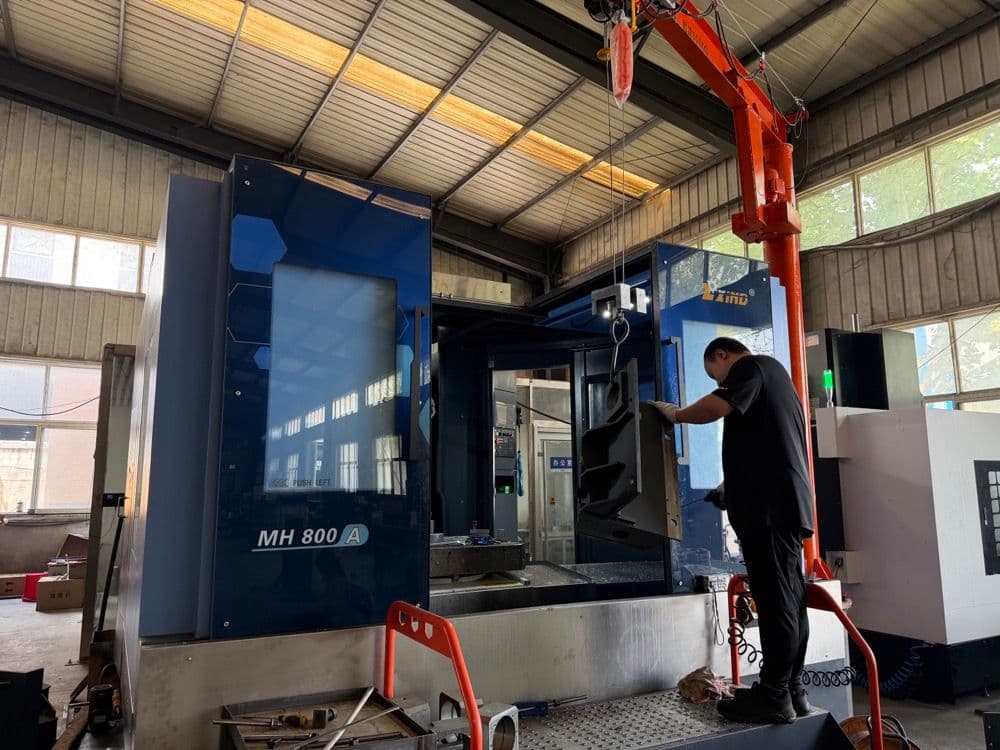
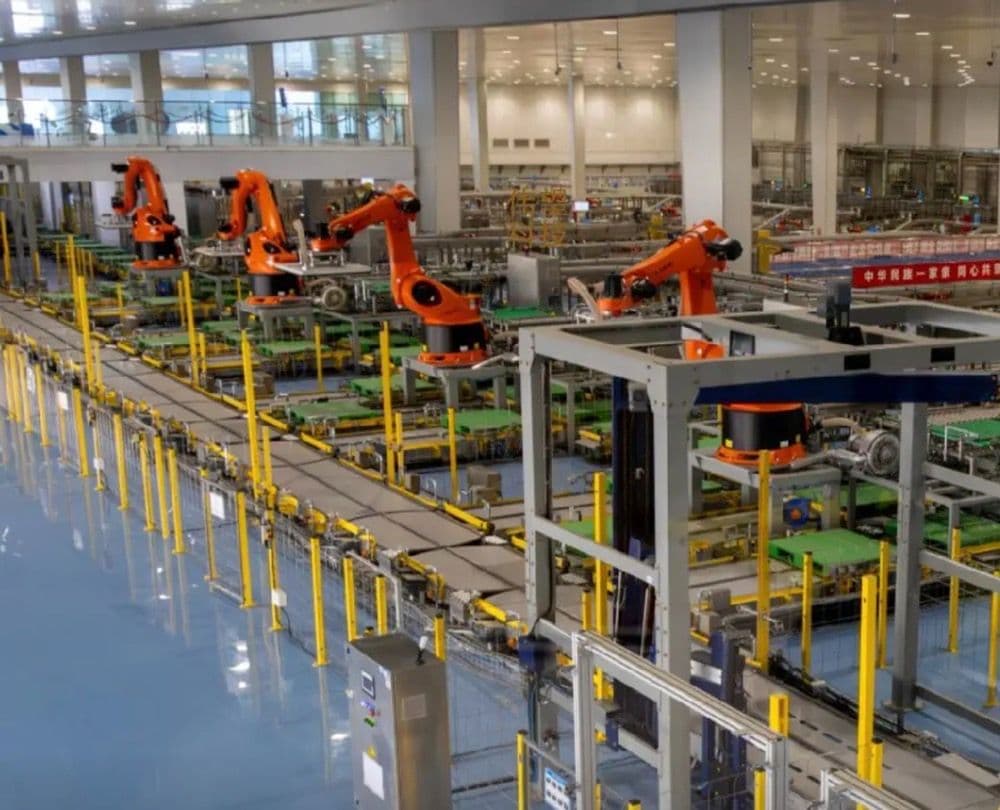
High efficiency and automation: programmed for continuous automatic machining. The efficiency is several times to tens of times of traditional milling. It supports multi-axis linkage, and multiple surfaces can be machined in one clamping.
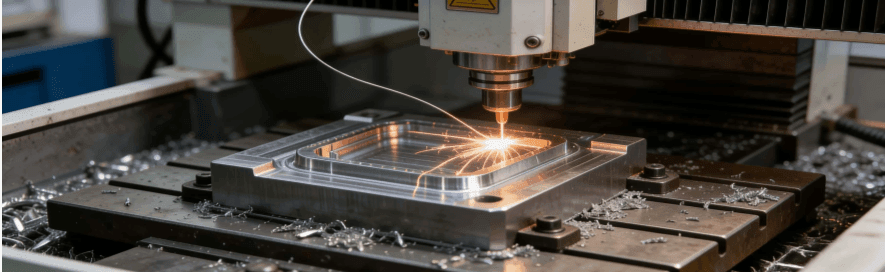
Complex Shape Machining Capability: Capable of machining a variety of complex three-dimensional structures such as free-form surfaces, cavities, and tabs.
Flexibility and versatility: by changing tools and adjusting programs, it can process a wide range of metals and composite materials.
Excellent surface quality: surface roughness of Ra1.6~Ra6.3μm can be achieved by optimizing parameters.
Minimize human error: The entire process is controlled by a computer program, reducing human error and ensuring consistent processing quality.
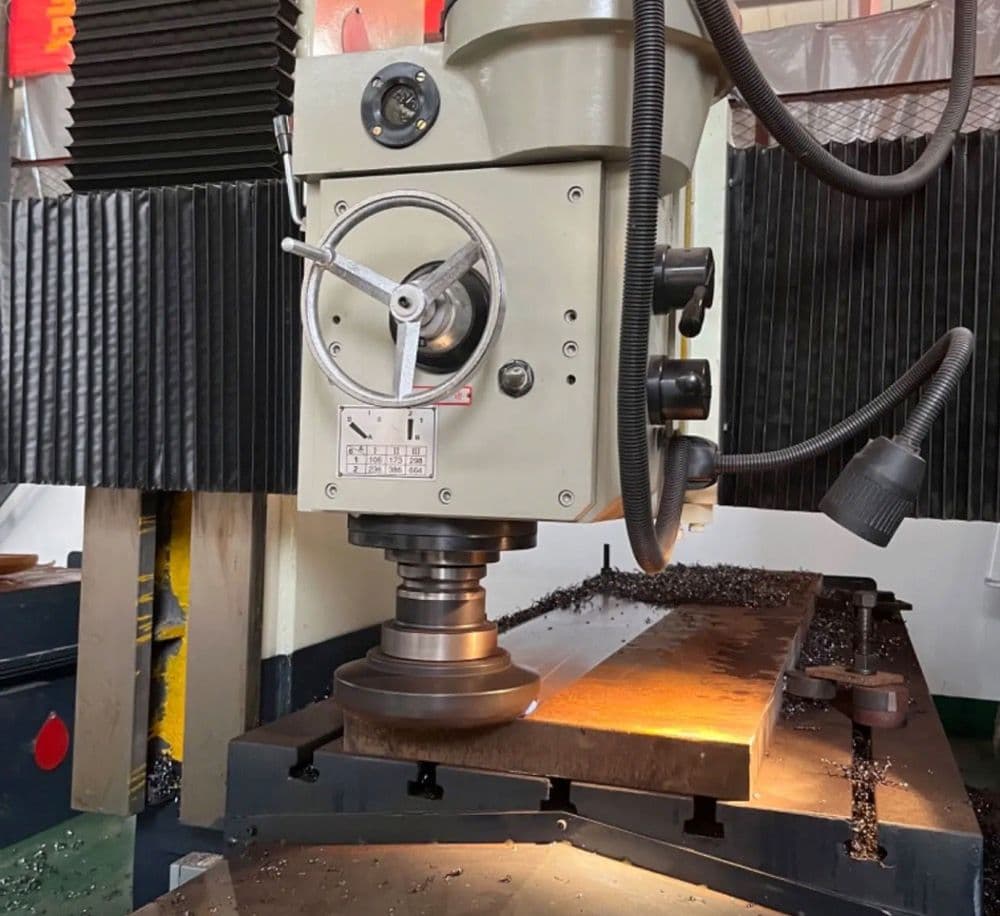
Applications for CNC milling machines
Aerospace: Machining of engine components such as impellers, blades and casings as well as complex structural components such as frames and joints. Meet the requirements of high precision and high reliability.
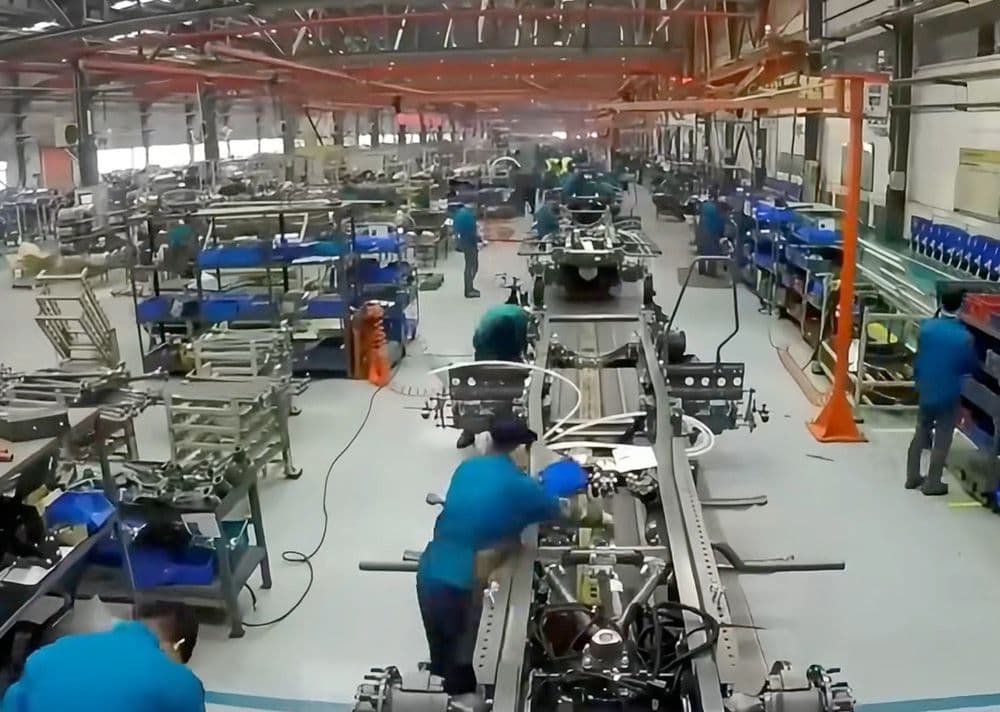
Automotive Manufacturing: Processing of core engine components, including cylinder blocks, cylinder heads and crankshafts, as well as a variety of automotive molds, such as injection molds and stamping dies.
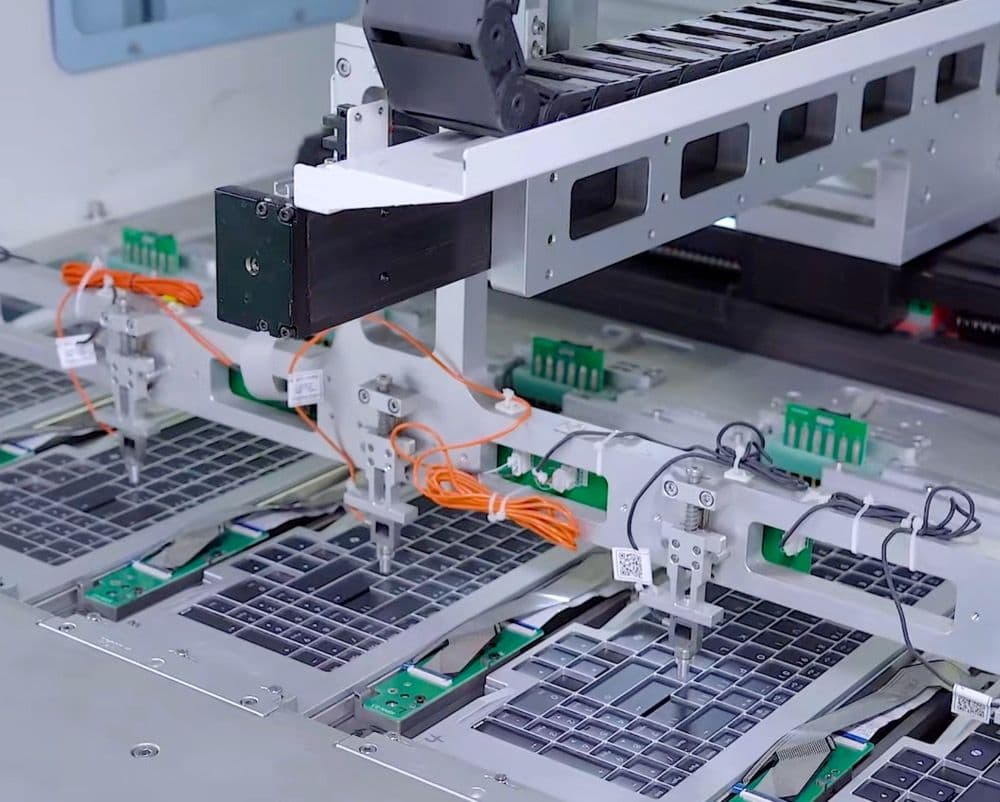
Electronic equipment: manufacture of precision parts such as device housings, heat sinks and circuit board slots. Accommodate miniaturization, lightweight design and high performance requirements.
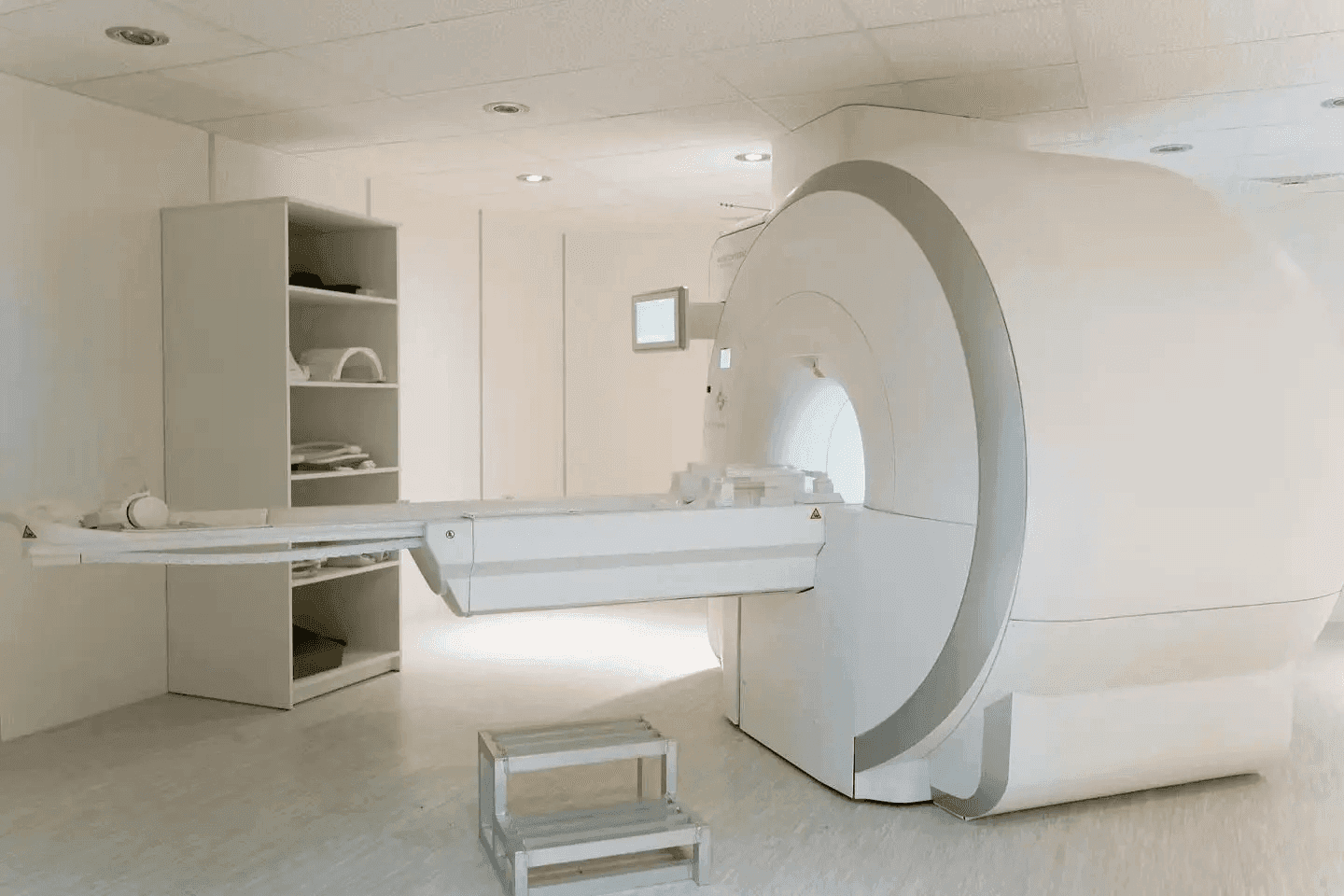
Medical devices: produces surgical instruments, implants and device housings. Provides high precision and excellent surface quality to meet stringent industry standards.
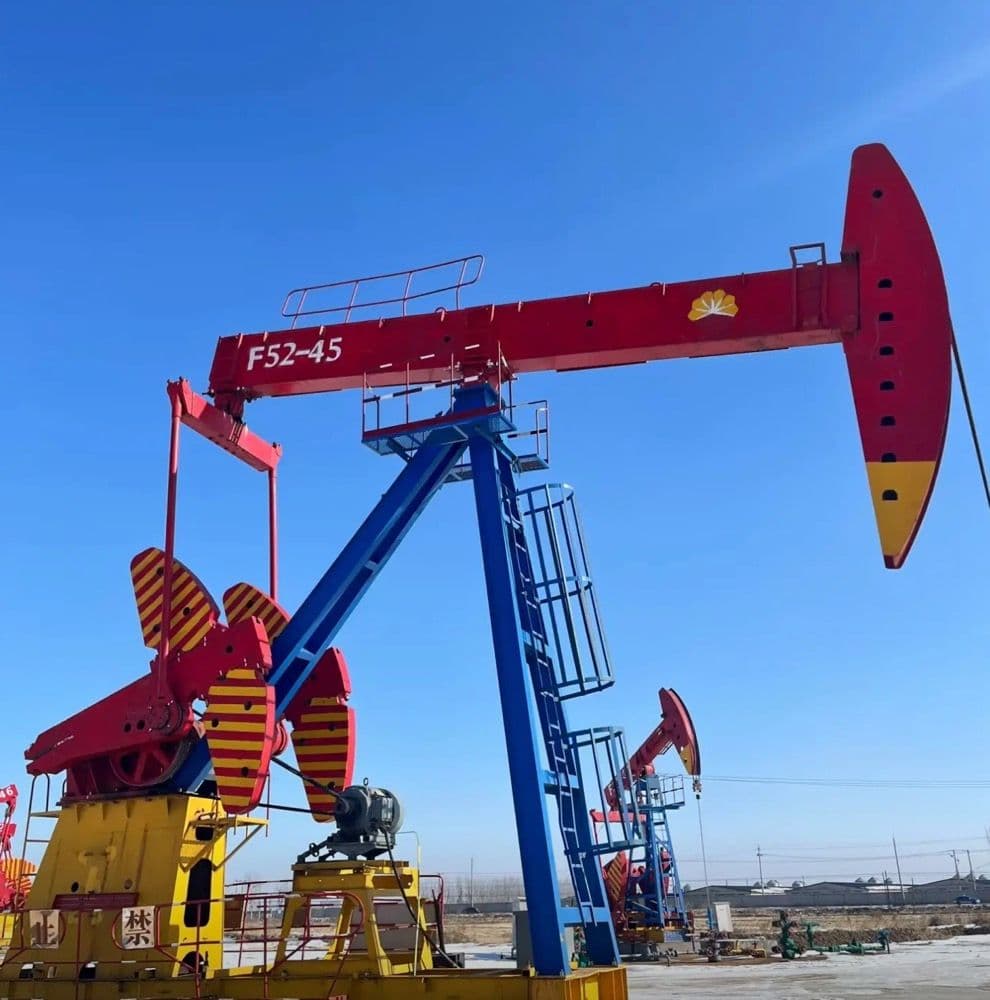
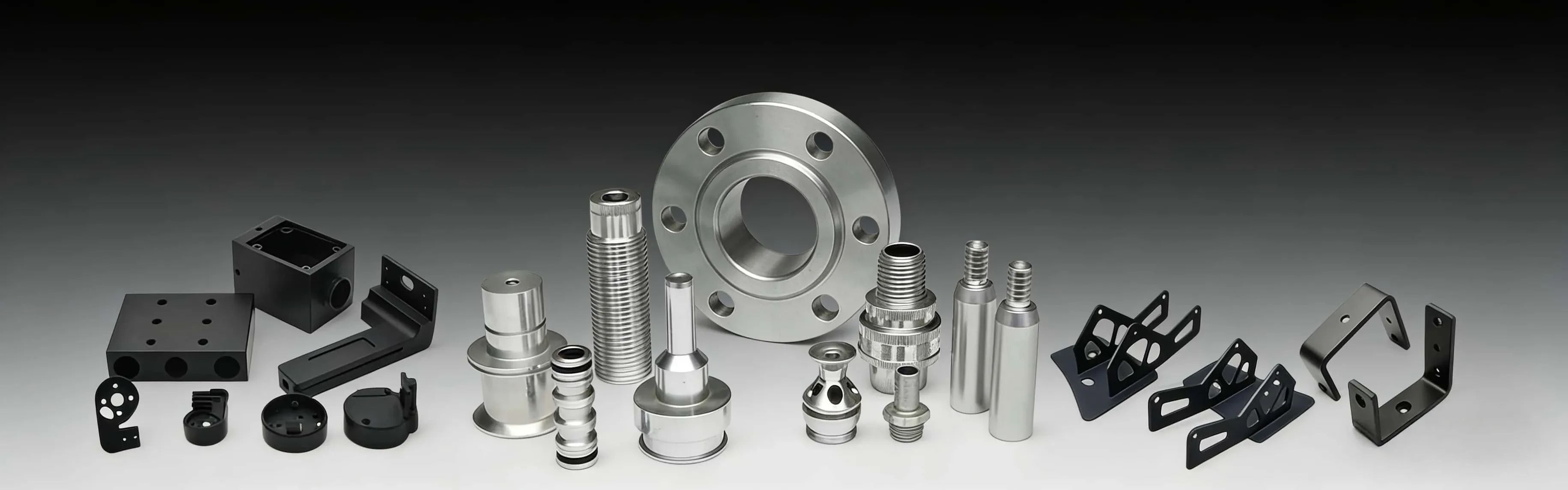
General machining: Machining of general parts such as gears, shafts, housings and connectors. Improve machining accuracy and productivity to meet the needs of different industries.