
CNC technology strength
Industry represents a nation’s capacity for development, and CNC machining serves as a barometer of that industry’s advancement; its level of development directly determines a nation’s manufacturing capabilities.Germany has established itself as a benchmark for precision manufacturing with a century of industrial heritage; Japan has secured a dominant market position through technological innovation and supply chain synergy; the United States leads in high-end applications by leveraging its research and development capabilities; and China is rapidly making inroads in the mid-to-low end of the market while achieving breakthroughs in high-end sectors. Each nation has carved out a niche in the global CNC technology landscape with its own unique “secret weapon.”
As a long-established industrial powerhouse, Germany is synonymous with precision. Siemens’ CNC systems, with their exceptional computational power and high-precision control, serve as the “heart” of high-end industries such as aerospace and automotive manufacturing; Heidenhain’s nanometer-level feedback components provide machine tools with precise “eyes.”The model of deep integration between industry, academia, and research has further strengthened their position. Long-term collaborations between RWTH Aachen University and companies like DMG Mori have continuously driven the implementation of advanced technologies such as five-axis simultaneous machining and high-speed milling, while strict quality control systems ensure that every machine tool becomes a reliable “industrial workhorse.”
Japan, meanwhile, is renowned for its keen market acumen and robust in-house R&D capabilities. Fanuc commands over half of the global market for mid-to-high-end CNC systems, with products featuring powerful functionality and user-friendly operation; Mitsubishi Electric has won the favor of small and medium-sized enterprises with its cost-effective systems.In response to the iterative demands of 3C products, Okuma has rapidly introduced compact machining centers with micron-level precision. Within a well-established industrial chain, core components such as THK guideways and NSK lead screws are developed in close collaboration with machine tool manufacturers, ensuring that Japanese CNC technology remains in step with market trends.
The United States, backed by top-tier research institutions and high-end manufacturing demands, leads the pack in cutting-edge CNC technology.MIT, a national research “giant,” continuously pushes the boundaries of technology in areas such as nanomanufacturing and atomic-level fabrication. Its extraordinary achievements in the defense and aerospace sectors have given rise to “national heavyweights” like the Haas five-axis machining center and Gleason gear machines; Autodesk’s CAM software and digital twin technology further cement the U.S.’s dominant lead in machining simulation and intelligent control.
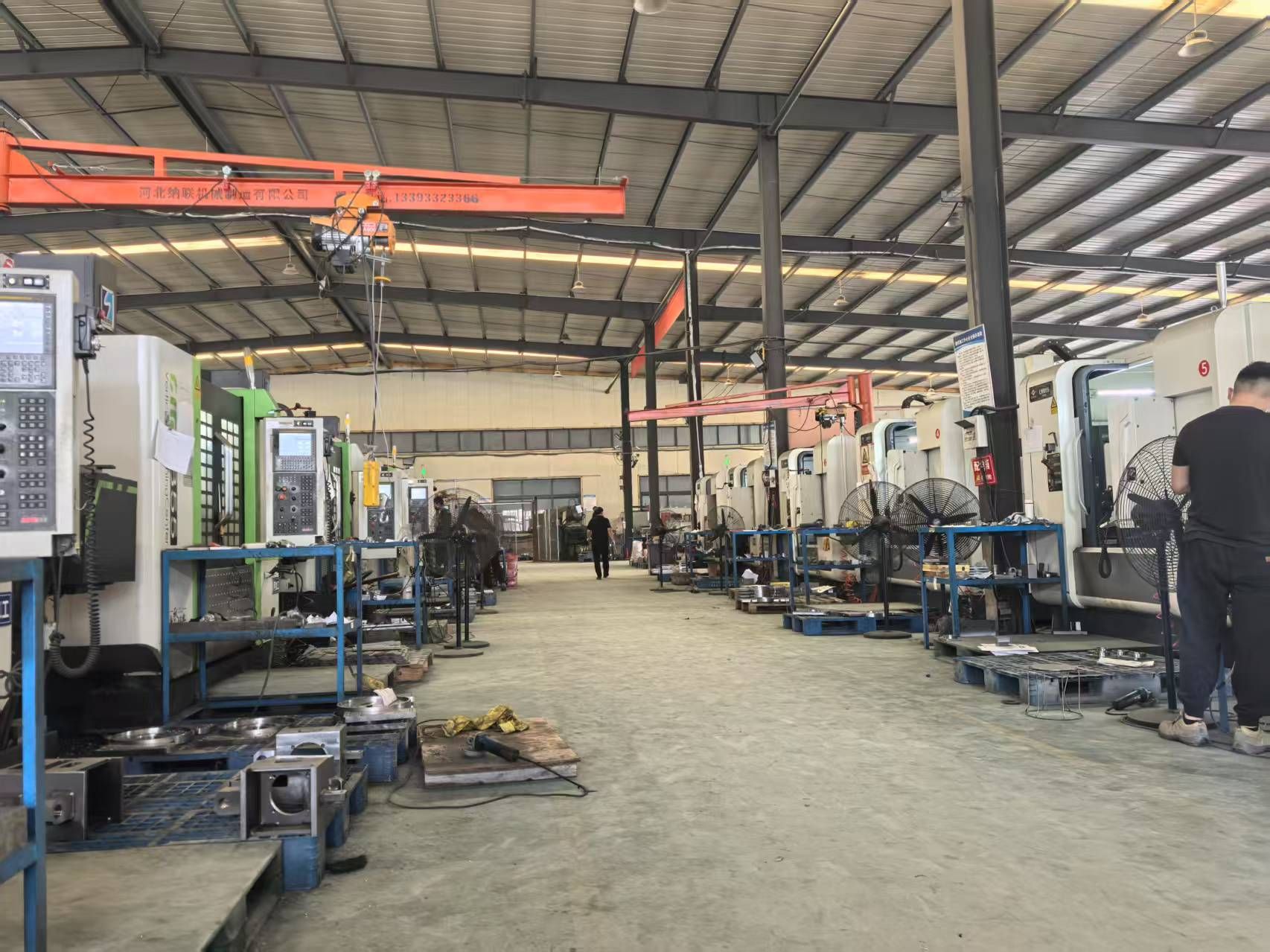
China, as a rising star, is rewriting the landscape of CNC technology at an astonishing pace. Its massive industrial scale has made it the global “double champion” in both CNC machine tool production and consumption, with companies like HNC and GNC firmly establishing themselves in the mid-to-low-end market. Backed by government policies, Beijing Jingdiao’s 0.1μm machining precision has broken foreign monopolies, while Kede CNC’s five-axis interpolation system has been successfully applied in the aerospace sector.The “Made in China 2025” strategy is driving the deep integration of CNC technology with artificial intelligence. Intelligent upgrades such as IoT monitoring and fault prediction are accelerating China’s catch-up in the smart manufacturing race.
From precision workshops in Europe to manufacturing clusters in Asia, and from research laboratories in North America to smart manufacturing plants in China, the global competition for CNC technology has never ceased. Drawing on their distinct development paths and core strengths, countries are collectively driving the manufacturing industry toward higher precision and greater efficiency. How will this “war without smoke” evolve in the future? Which new technologies will become the key to breaking the deadlock? These are questions that warrant our continued attention.